banner-image

Celebrating Seagrass Nursery Growth

Supporting seagrass to succeed on the Tees

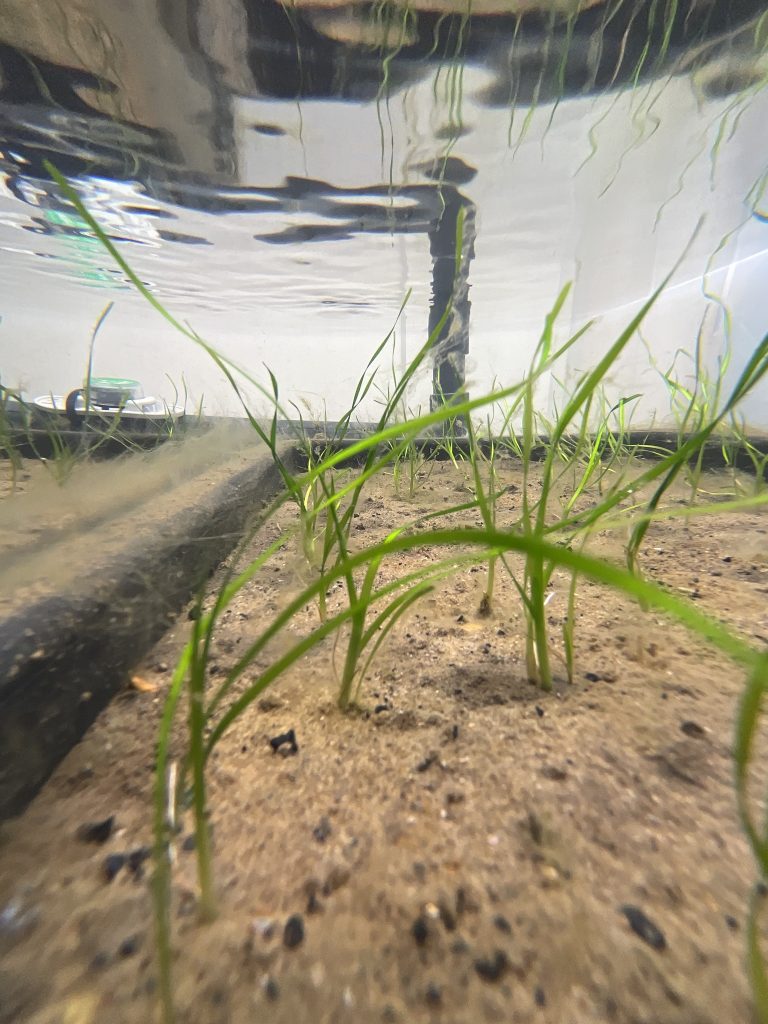
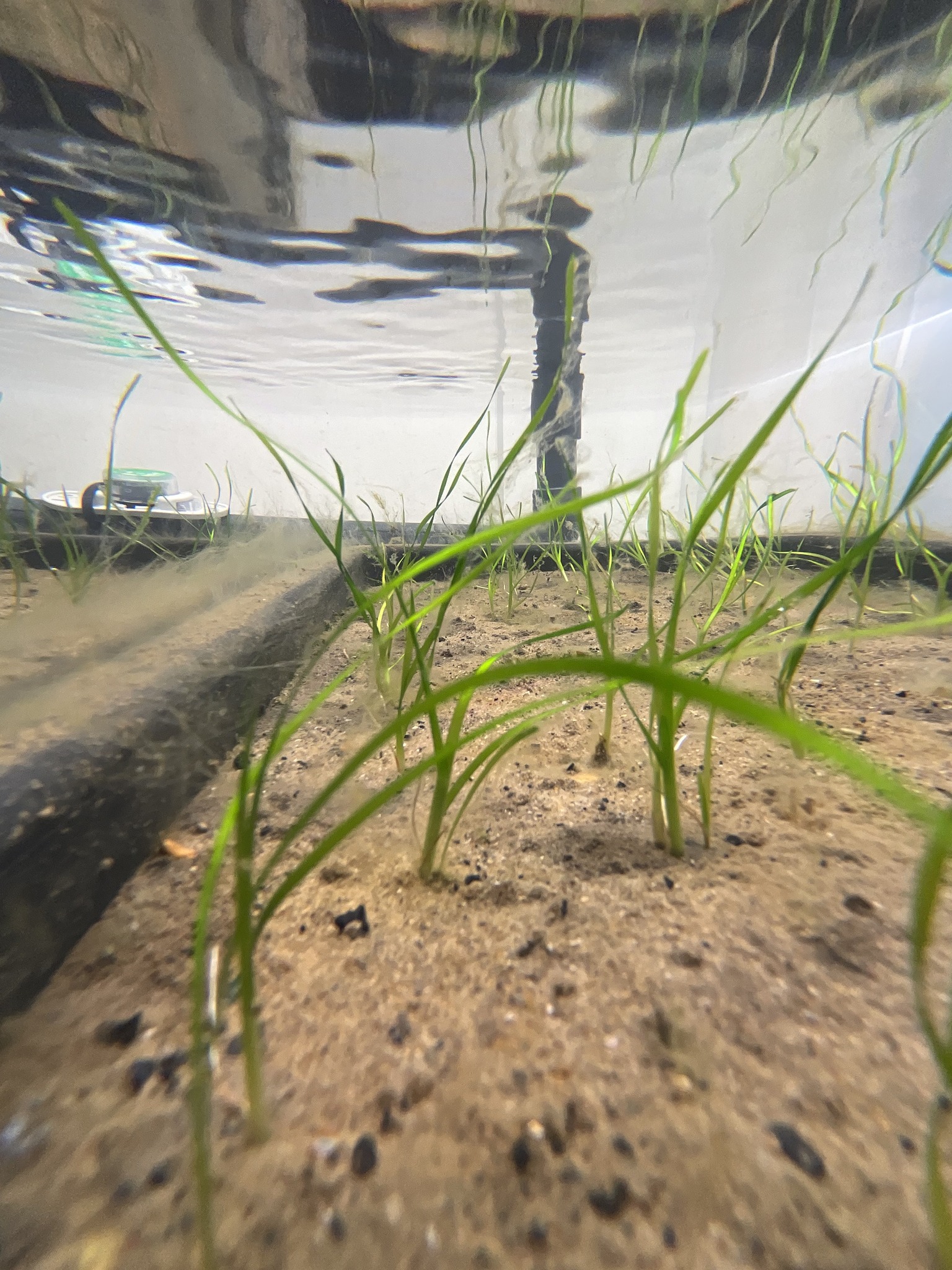
Stronger Shores Delivery Partner, The Tees Rivers Trust has been growing seagrass in their indoor nursery since January 2025. Thousands of seeds were planted and a good number of seedlings have started to grow.

Zostera seagrass plants are very delicate and need specific conditions to thrive. In the nursery, the seagrass can receive dedicated care and growth conditions can be controlled.

Algae loves to grow on seagrass and this can limit their photosynthesis, so the work of Tees Rivers Trust is super important in supporting seagrass to thrive. We hope to see many of the seagrass plants in the nursery continuing to grow happily under the watchful eye of the Trust.

Photo of seagrass growing in the Tees Rivers Trust nursery. Photo credits to The Tees Rivers Trust

Seagrass Planting on the Tees Estuary and Surrounding Coastline

Our incredible partner, Tees Rivers Trust has been hard at work planting seagrass in the Tees Estuary and surrounding coastline. This seagrass planting is part of the work being carried out to reintroduce and restore seagrass to the Tees Estuary. Various methods of planting have been used for this restoration.

Seagrass seeds and seedlings are being planted directly into the estuary and surrounding coastline. However, other seeds are being grown in the Seagrass Nursery and kept to produce seeds for future planting.

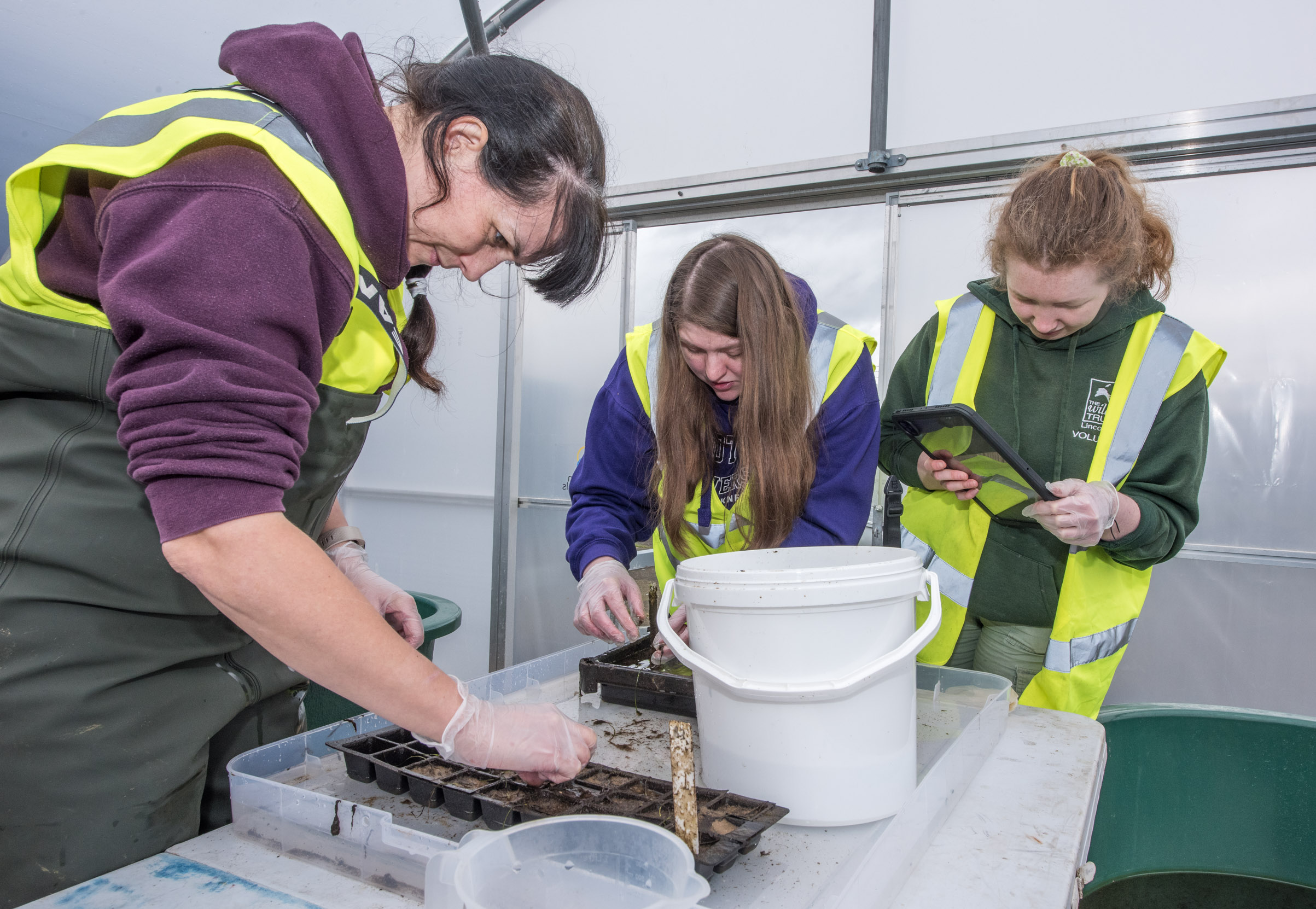
In April 2024, Tees Rivers Trust and their volunteers have planted seeds collected from Lindisfarne in Summer 2023, as well as some seeds from their own plants that have been kept dormant until now. Some seeds and seedlings were planted directly into the estuary. More seeds were planted into prepared sediment trays and a pipette was used to plant seeds into holes in the sediment. These were then covered and the trays placed into the nurseries and fed by water direct from the estuary.

Three different planting methods were used to plant the seagrass seeds and seedlings into the estuary and surrounding coastline:

  • Wrapping seeds and sand in hessian packages to protect them and burying these.
  • Mixing seeds with sand and injecting them directly deeper into the seabed using a caulking gun.
  • Separating already growing seagrass plants individually to transplant them into the sediment.

Additionally, GPS measurements were taken within three different quadrats set up for each planting method. These can be monitored at low tides in future. Their growth and any benefits they might offer for coastal communities will be regularly monitored.

Stronger Shores funding from the Environment Agency’s Flood and Coastal Innovation Programme part funds and helps support the seagrass restoration being carried out by Tees Rivers Trust.

Incredible work from Tees Rivers Trust – we hope to see some baby seagrass in the near future!
Seagrass seeds grown on Teesside

Tees Rivers Trust are helping to bring back seagrass to the Tees

Stronger Shores funding will provide support for the expansion of the brilliant works already established through funding from the Green Recovery Challenge Fund and PD Ports. The team are learning the best way to grow seagrass from seeds in a nursery based at Hartlepool.

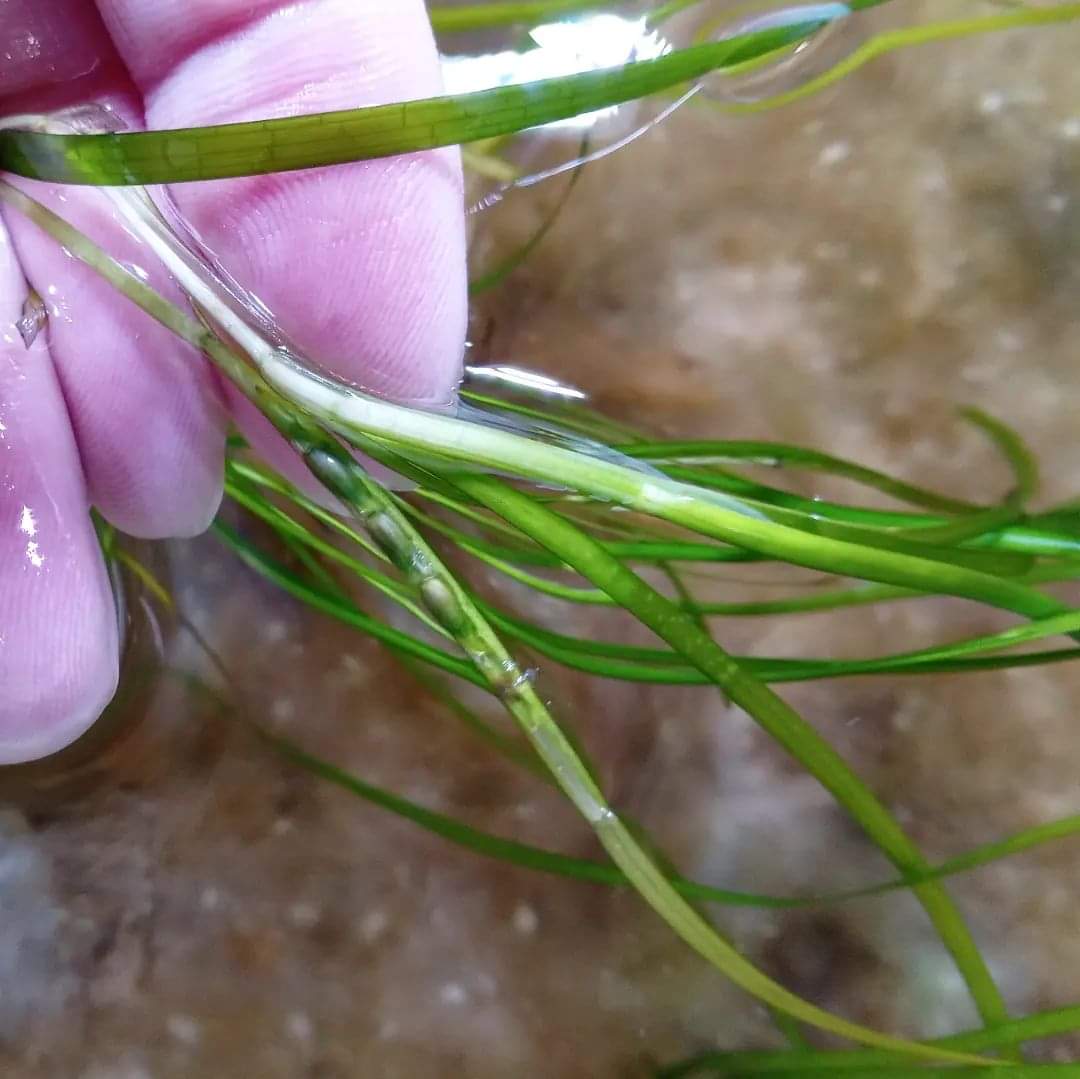
After months of preparation, in August, the first nursery grown seagrass plants have started to produce seed of their own, allowing the team to start collecting spathes (seed pods), These are ‘rotted out’ (the stems rot, leaving the seeds intact) ready for germinating new plants. This is incredibly exciting and the start of the journey to restoring seagrass at the Tees using locally grown seagrass seeds for the first time in decades!

Seagrass has an important part to play in making our coast stronger in the face of flooding, climate change and rising sea levels. Through Stronger Shores we are working with Tees Rivers Trust to learn as much as we can about restoring these precious habitats.

Get updates about our work and events near you

Subscribe