banner-image

Connecting Communities with Coastal Blue Heritage through Art Making and Movement

Stronger Shores have helped to fund an incredible art and dance initiative that aims to connect communities with Coastal Blue Heritage in the North East. Blue Wave Green Leas is a project that has been delivered by Moving Art Management and SeaScapes CoLab (University of Sunderland) with funding from Stronger Shores, National Trust, SeaScapes Community Grants and No More Nowt.

This project aimed to explore environmental and embodied forms of creative practice including movement and visual art over a targeted series of Creator Labs, Site Visits to two National Trust properties, and workshop sessions with community participants. Participants engaged in unique and innovative forms of art, as a way of connecting with the sea.

Stronger Shores Souter Lighthouse

The Blue Wave Green Leas Project showcased its incredible creative outputs through a final exhibition at Souter Lighthouse and the Leas. Join us in looking at some of the incredible images captured by Colin Davison of dancing, mindful movement and visual art that help embody community connections to our natural heritage.

Stronger Shores are honoured to have been taken along on this journey with so many wonderful individuals and organisations. We have no doubts that the work to ensure our natural environment is celebrated and recognised by our communities will continue. Our thanks go to everyone who made this project possible.

Stronger Shores launch

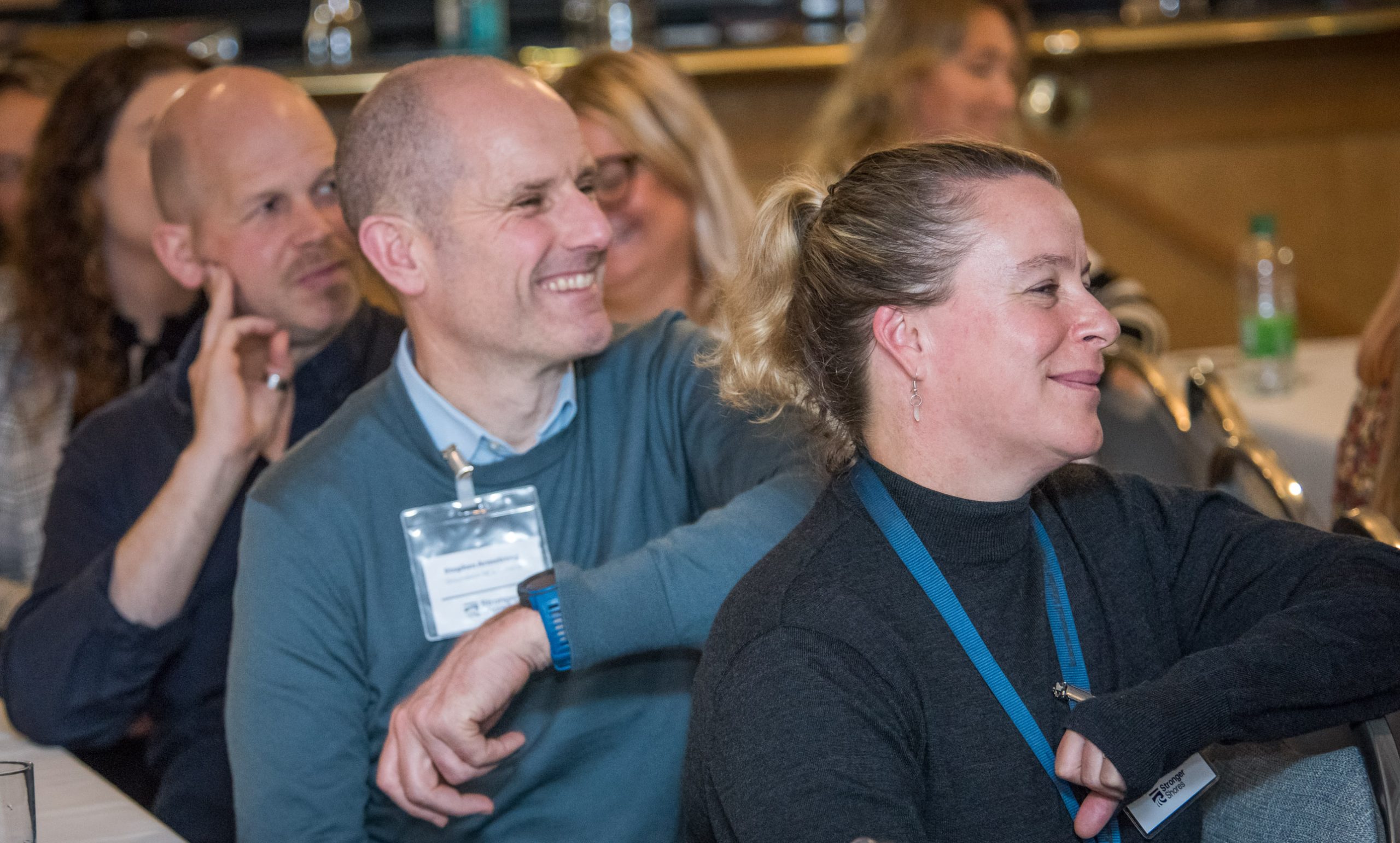
On the 25th of October, South Tyneside Council hosted the Stronger Shores launch event at the Little Haven Hotel, South Shields. We welcomed a variety of speakers, stakeholders, partners, colleagues, and Elected Members to celebrate the project, and share experiences and expertise. The room was buzzing with incredible talent, passion, and support.

We were delighted to debut brand-new Stronger Shores film with those in attendance on the evening. The team have worked closely with Gardiner Richardson to produce this powerful film which encapsulates the aims and objectives of Stronger Shores whilst showcasing a variety of the brilliant work already taking place.

It was great to have representatives and speakers join us from South Tyneside Council including: the Mayor of South Tyneside, Cllr John Mcabe; the Leader of the Council, Cllr Tracey Dixon; Member for Neighbourhoods and Climate Change, Cllr Ernest Gibson; and CEO Jonathan Tew. The event was chaired by Laura Turvey, Senior Manager – Sustainability and Chair of Stronger Shores.

We were very lucky to be joined by empowering guest speakers who delivered fantastic presentations. Professor Pip Moore joined us from Newcastle University and delivered a very interesting and engaging presentation on “The wave attenuation potential of marine vegetated habitats: closing the evidence gap.”  Pip is part of the supervisory team for the three Newcastle PhD students funded through Stronger Shores and presented an excellent overview of the benefits kelp can have on our coastal waters and shorelines.

Another presentation was delivered by the talented Wave Crookes, who was joined by Laura Robinson from SeaGrown in Scarborough, where a first-of its kind offshore seaweed farm grows kelp all year round in the clean, cold, open waters of the North Sea. Wave presented an interesting perspective on how growing seaweed using an aquaculture system could have a role to play in increasing the resilience of the coastline to climate change.

We were also joined by representatives from Northumbria University’s Business Clinic, Nicola Burnip and Nigel Coates, who introduced a film that was produced by talented students from the University. Previously this year, the students rose to the challenge of producing a short animation for a young people about kelp, oyster, and seagrass habitats. We were delighted to share the film with the audience which was well received as a straightforward way to understand Stronger Shores and its potential to help the planet.

Andrew Eden from the Environment Agency attended, representing the Flood and Coastal Resilience Innovation Programme. Andy used this opportunity to share the excellent progress being made across the country, and provided insight as to how these projects will influence future decision making and have a national impact.

A huge thanks is also owed to our delivery partners who joined us on the night: Tees Rivers Trust; University of Plymouth; Newcastle University; The Wild Oysters Project; and North Sea Wildlife Trusts.

We are still on a high from the event. This is just the start of Stronger Shores and we can’t wait to see what the future holds. Thank you to everyone who joined us to celebrate the project, and explore its potential to protect our shores and make them stronger.

New funding could put the North East on the map as climate leaders

A South Tyneside Council-led project aims to strengthen North Eastern coastlines and communities in the face of flooding, erosion and the impacts of climate change.

South Tyneside Council has secured £6.9m in funding for the region’s Stronger Shores initiative, which will take a new approach to making British coastlines and communities stronger in the face of flooding, erosion and the impacts of climate change. 

The project explores how to use the power of nature to restore our ocean’s health while cementing a more sustainable, healthy and prosperous future for coastal communities. Through Stronger Shores’ game-changing potential, the North East is trailblazing a path for the UK to be a world-leader in establishing proven, affordable and long-term solutions to the climate crisis.

This project is funded by Defra as part of the £150 million Flood and Coastal Resilience Innovation Programme which is managed by the Environment Agency to develop and test new approaches to help communities become more resilient to the effects of flooding and climate change. 

Through Stronger Shores, a network of experts will test new restoration approaches to better understand how these habitats can benefit communities in the North East and beyond through: improving water quality, reducing erosion and structural damage, helping to stabilise shorelines, reducing wave impacts, creating rich wildlife, protecting against pollution, improving fisheries, protecting against climate change, providing community recreation areas, and extending the lifespan of man-made coastal defences. 

The project is supported by: Newcastle University, University of Plymouth, Tees Rivers Trusts, The North Sea Wildlife Trusts, Zoological Society of London (ZSL) and Groundwork North East & Cumbria (GWNEC).

Get updates about our work and events near you

Subscribe